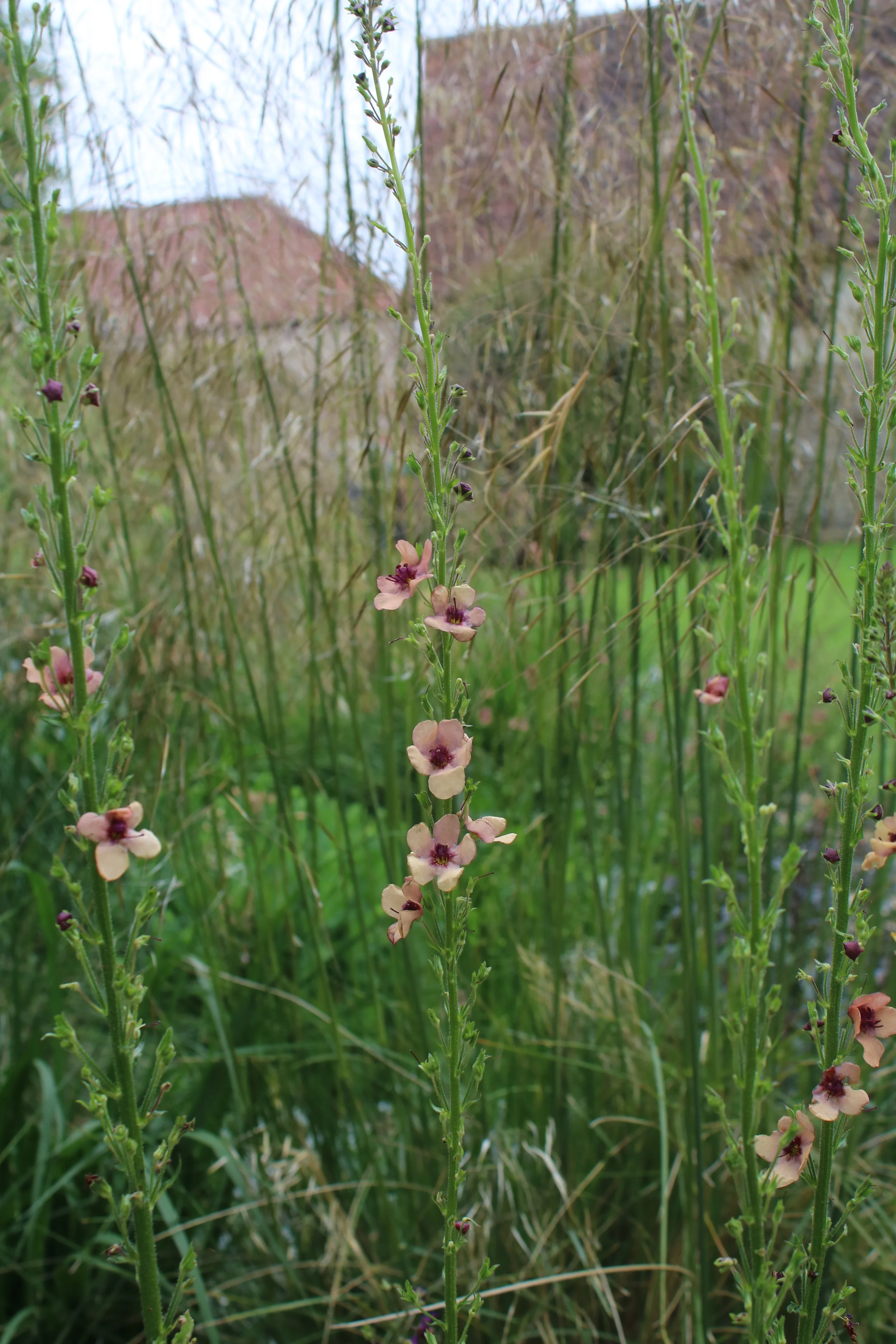
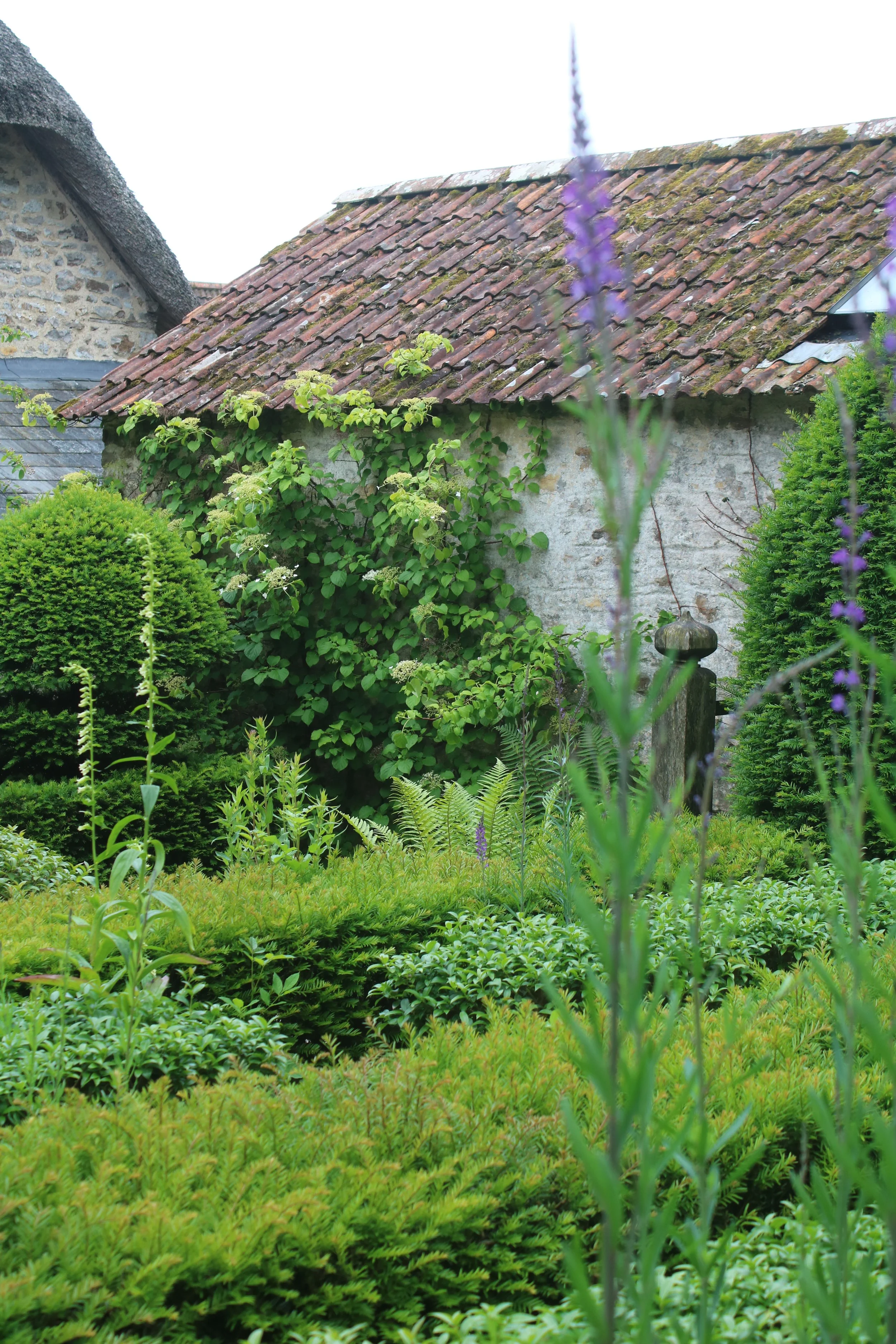
Returning to South Wood Farm, a garden I openly call my favourite in the UK, I was almost nervous. Twelve months had passed since my last visit and I found myself wondering whether it would live up to my memory. Had I made it better in my mind? Would I be disappointed?
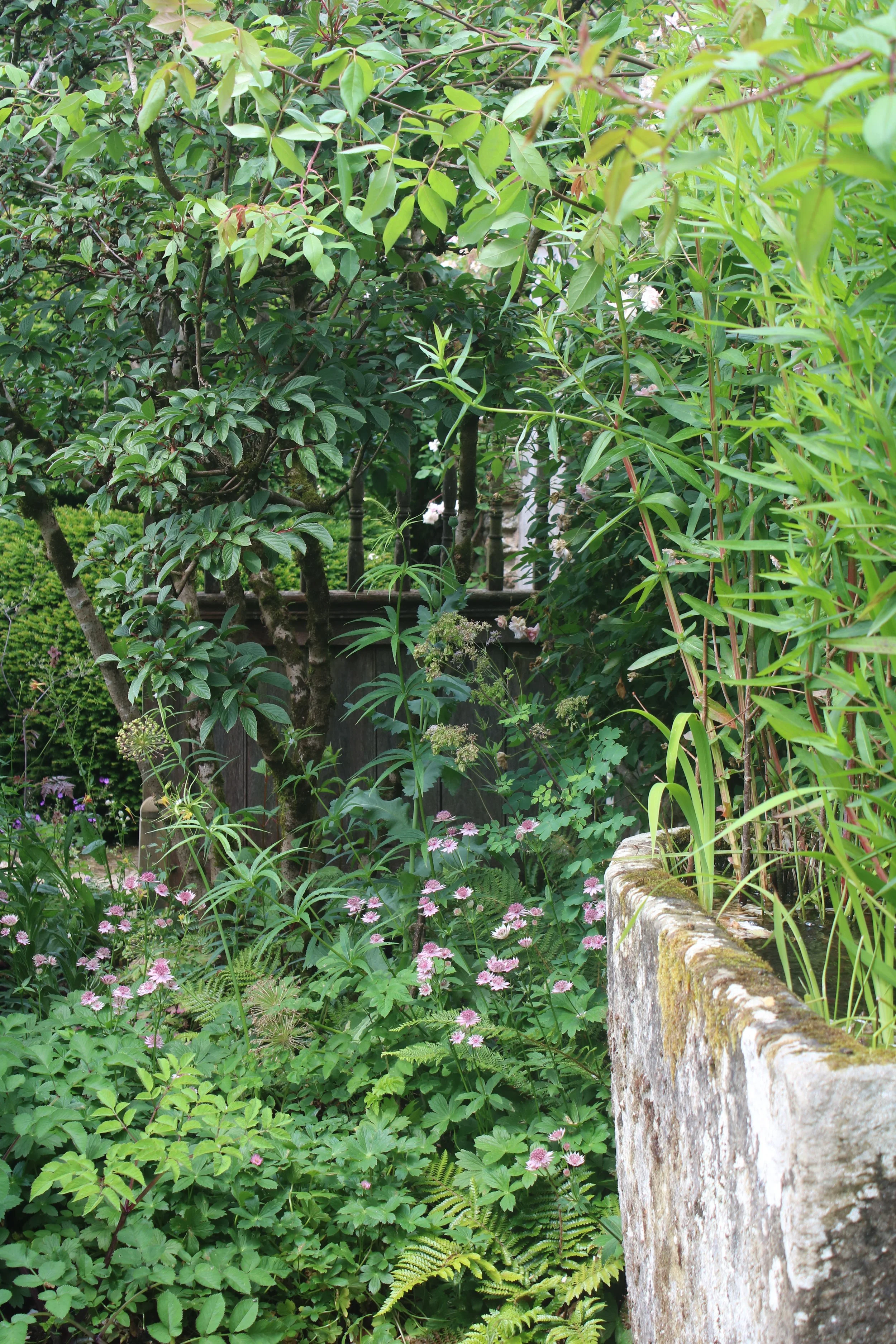
The moment I stepped beneath the woodland canopy and arrived at a babbling stream crossed by a rustic timber bridge, I breathed a sigh of relief.
This was going to be good, great even.
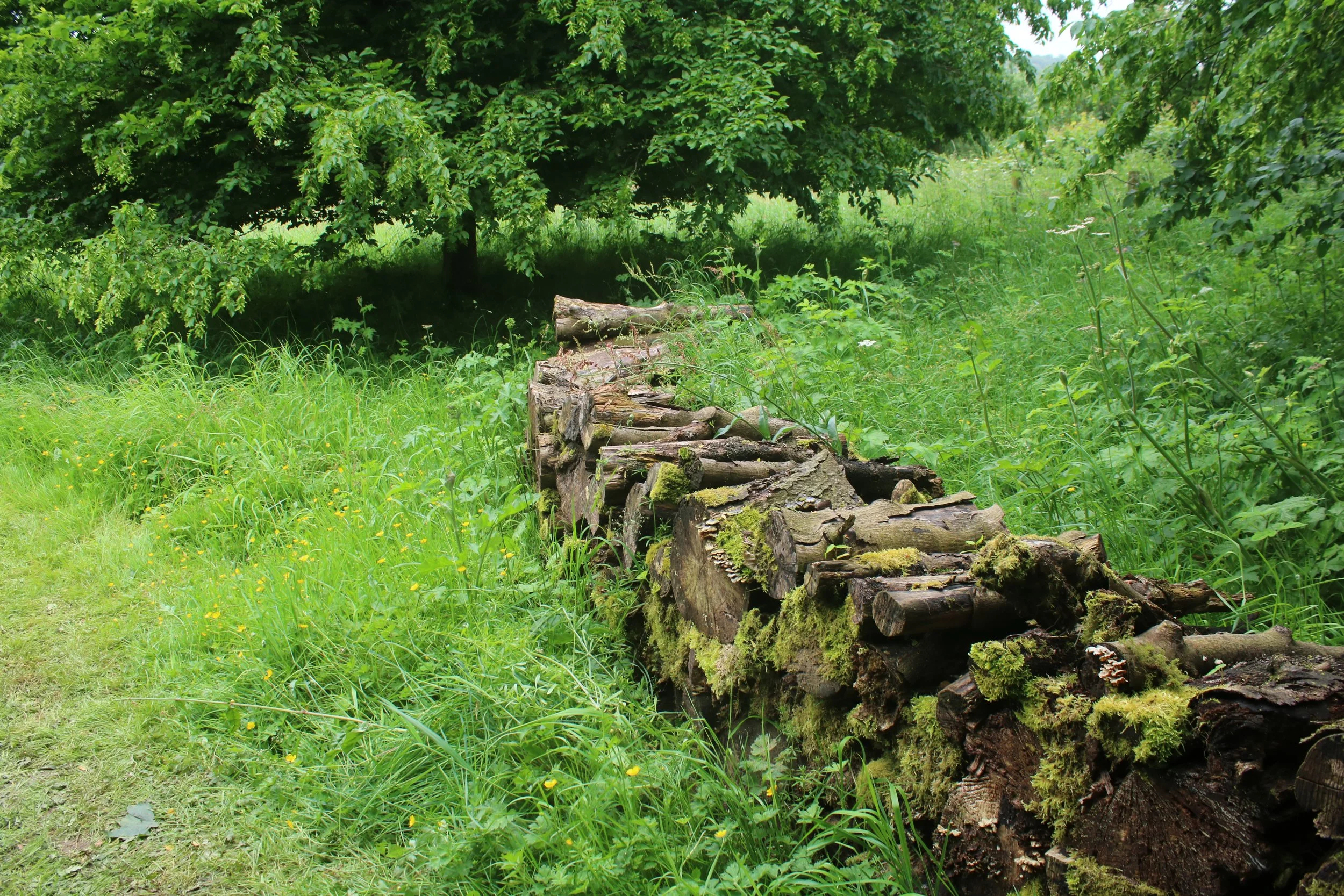
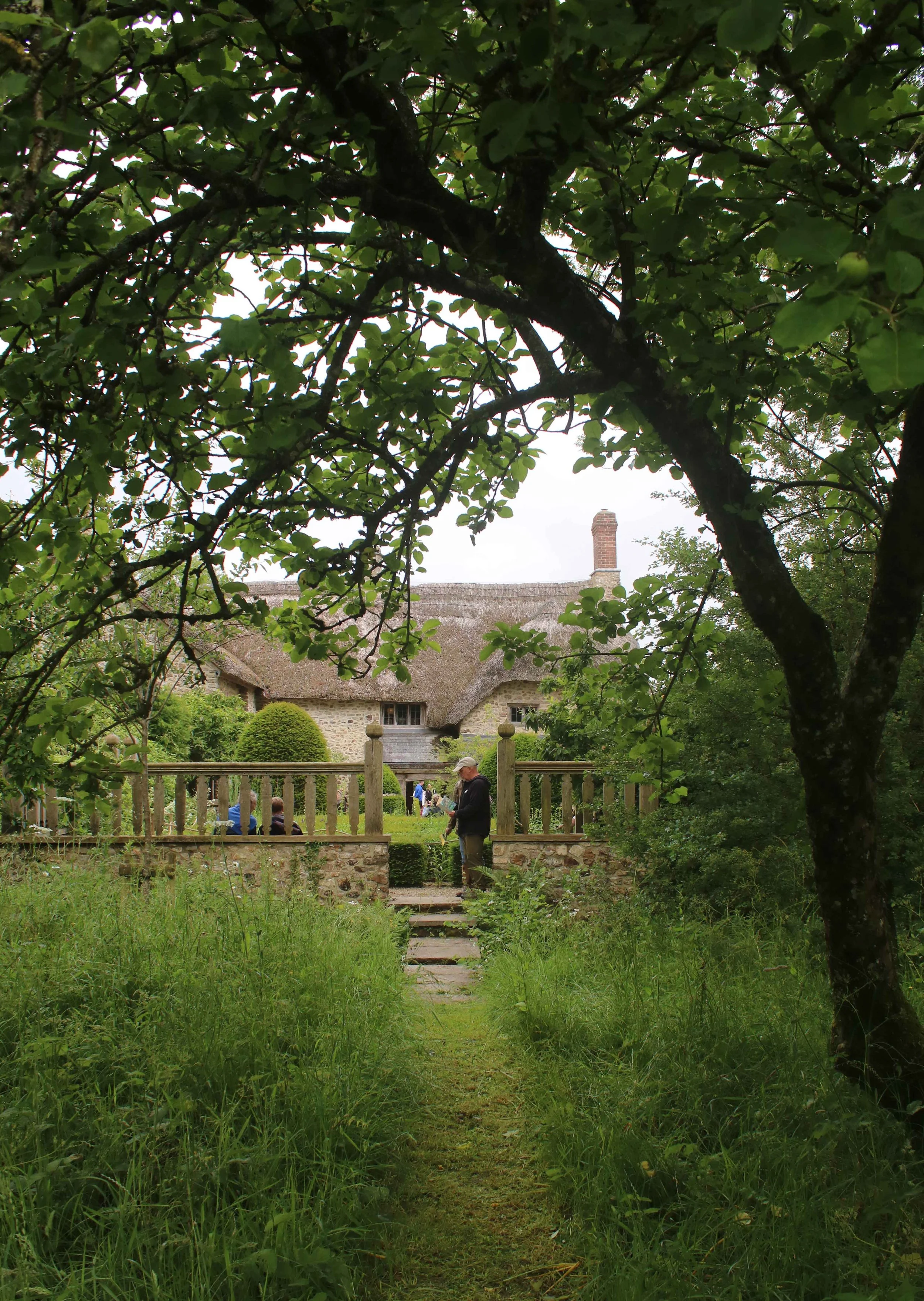
I saw an opportunity for a new entrance, to approach on foot over
the stream via a new bridge, crafted in-house. Upon leaving the car you
are immediately immersed in Devon, crossing over the rocky stream, fern
clad banks, under the trees, then South Wood Farm comes into view,
opening up before you”
- Lewis
The Art of Anticipation
One of the things South Wood Farm does exceptionally well is build anticipation. Long before you reach the house, the garden has already started working on you.
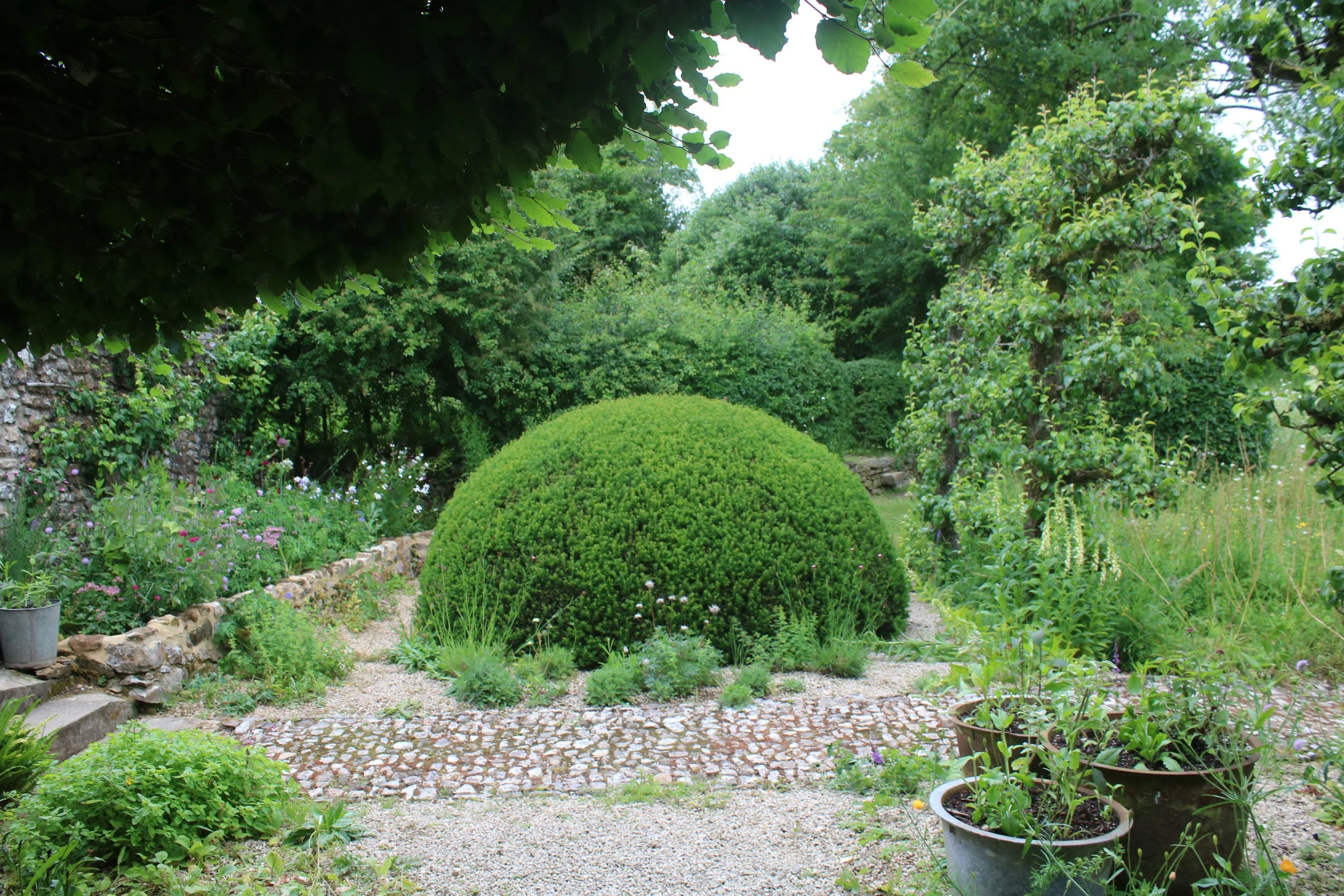
Walking up towards the first outbuilding, I found myself admiring the weathered stonework, the scale of the building and the welcome coolness I know it can offer on a hot summer's day. As my eyes adjusted from relatively bright sunshine to shade, there it was. A clipped yew dome. Perfectly formed, only a little ‘shaggy’. Roughly two metres by two metres.
Bam. A statement of intent - in that moment you know this is no ordinary 17th-century thatched farmhouse garden. You know somebody has been paying attention. More importantly, you know there are further surprises waiting around the corner.
The garden never gives you everything at once.
Small Moments, big impact
What surprises me most is that the garden's magic isn't created through dramatic moments alone. It's often the smallest interactions that stay with you longest.
One moment completely caught me off guard. Returning towards the house from the woodland, you cross a simple stone bridge. Except the bridge isn't quite complete. A small section is missing, revealing a small drop. Not enough to be dangerous, but just enough that you have to make a conscious decision to step, or slightly hop, across the gap.
The health and safety conscious adult in me was mildly offended. The inner child absolutely loved it.
It sounds almost absurd when written down, but that tiny interruption transformed an ordinary bridge crossing into something memorable. It asked me to stop thinking, pay attention and engage with the garden for just a second.
It reminded me that the most memorable gardens don't simply lead us from one place to another. They invite us to participate. In a world that constantly tries to smooth away every bump and surprise, this small moment of playful friction felt unexpectedly refreshing.
Contemporary in an Ancient Setting
Talking of bridges, what stayed with me most was how effortlessly the garden bridges centuries.
Surrounding a fifteenth-century thatched farmhouse, it would have been easy for the design to lean heavily into nostalgia. Instead, it feels remarkably current. Not because it follows trends, but because it understands restraint.
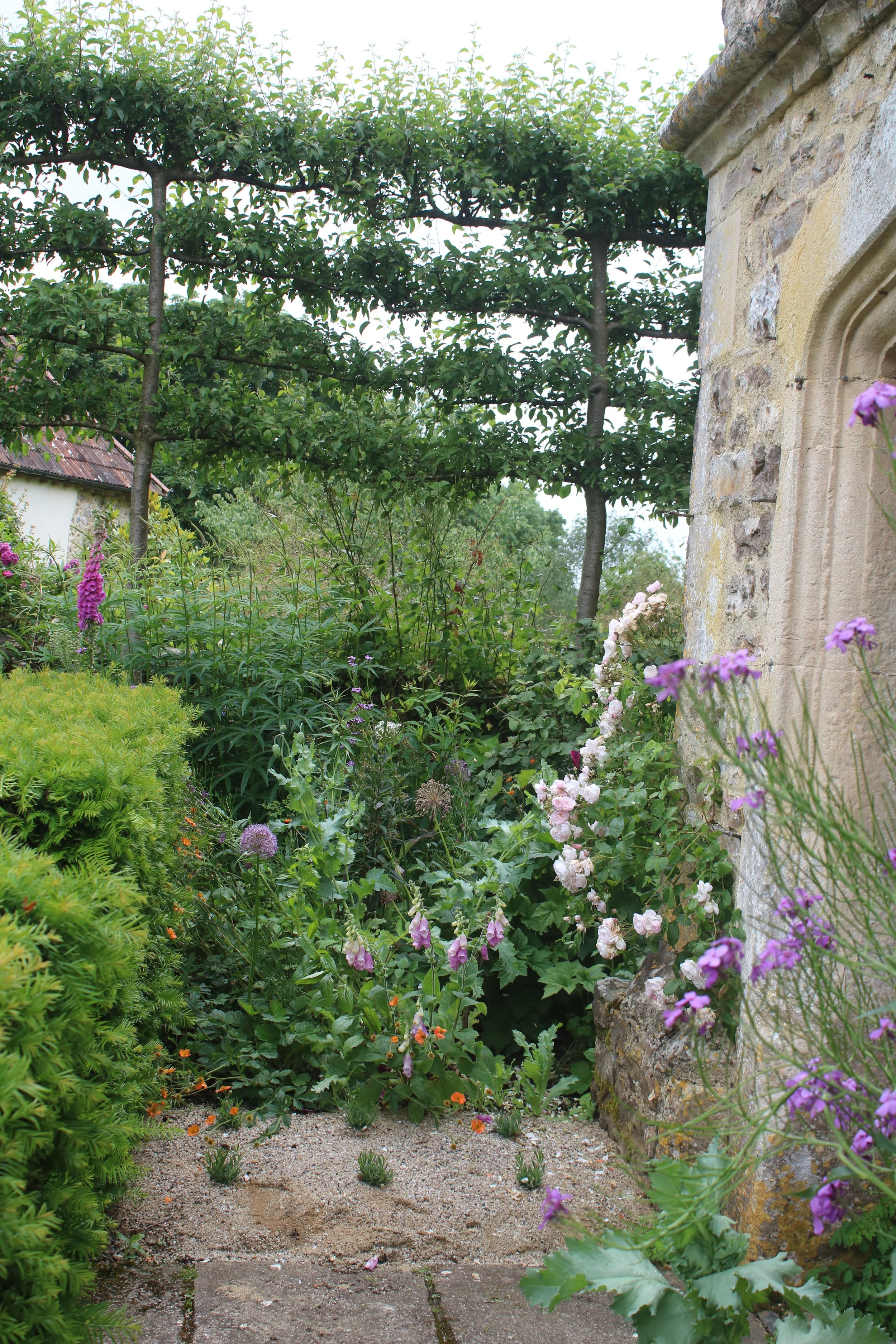
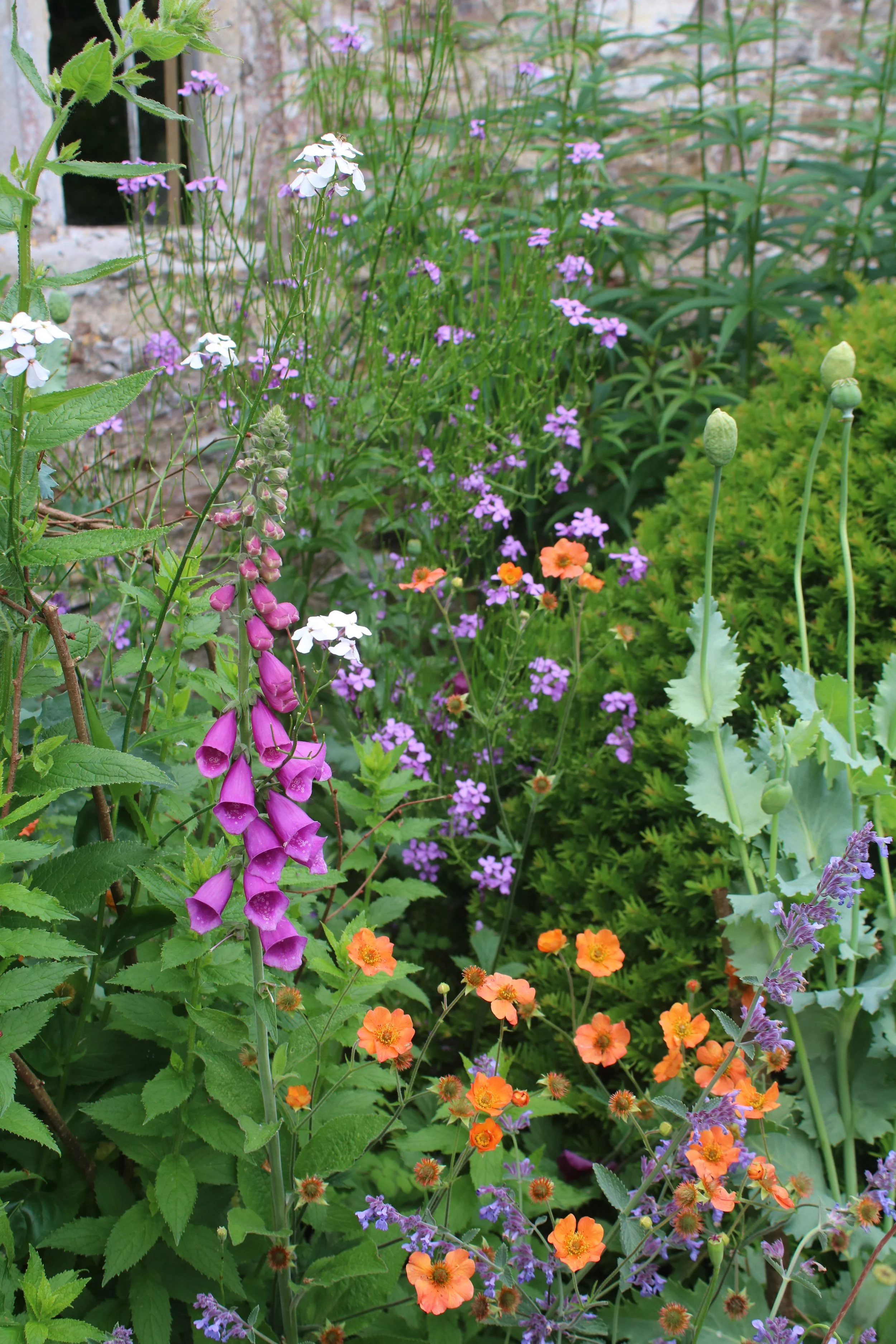
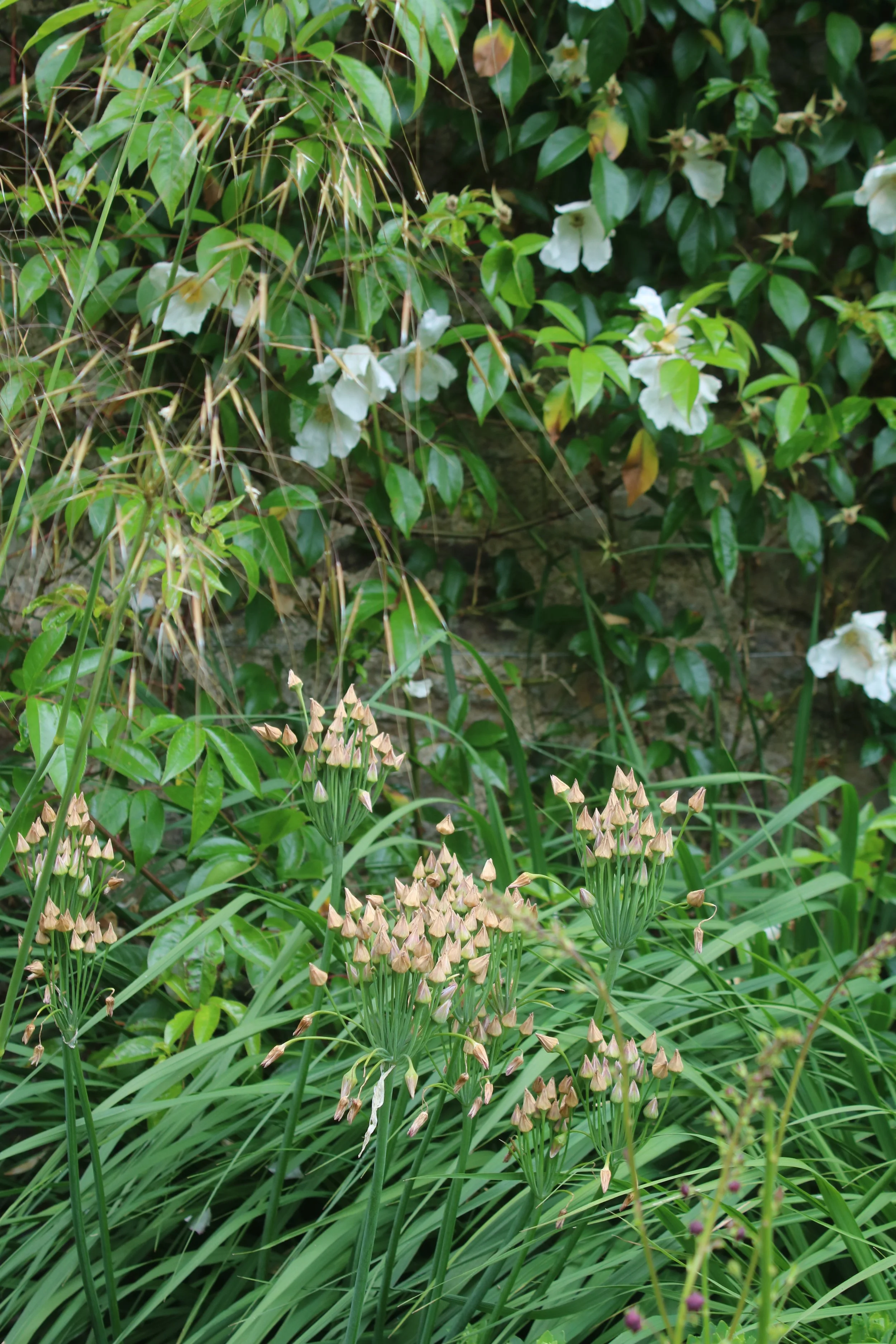
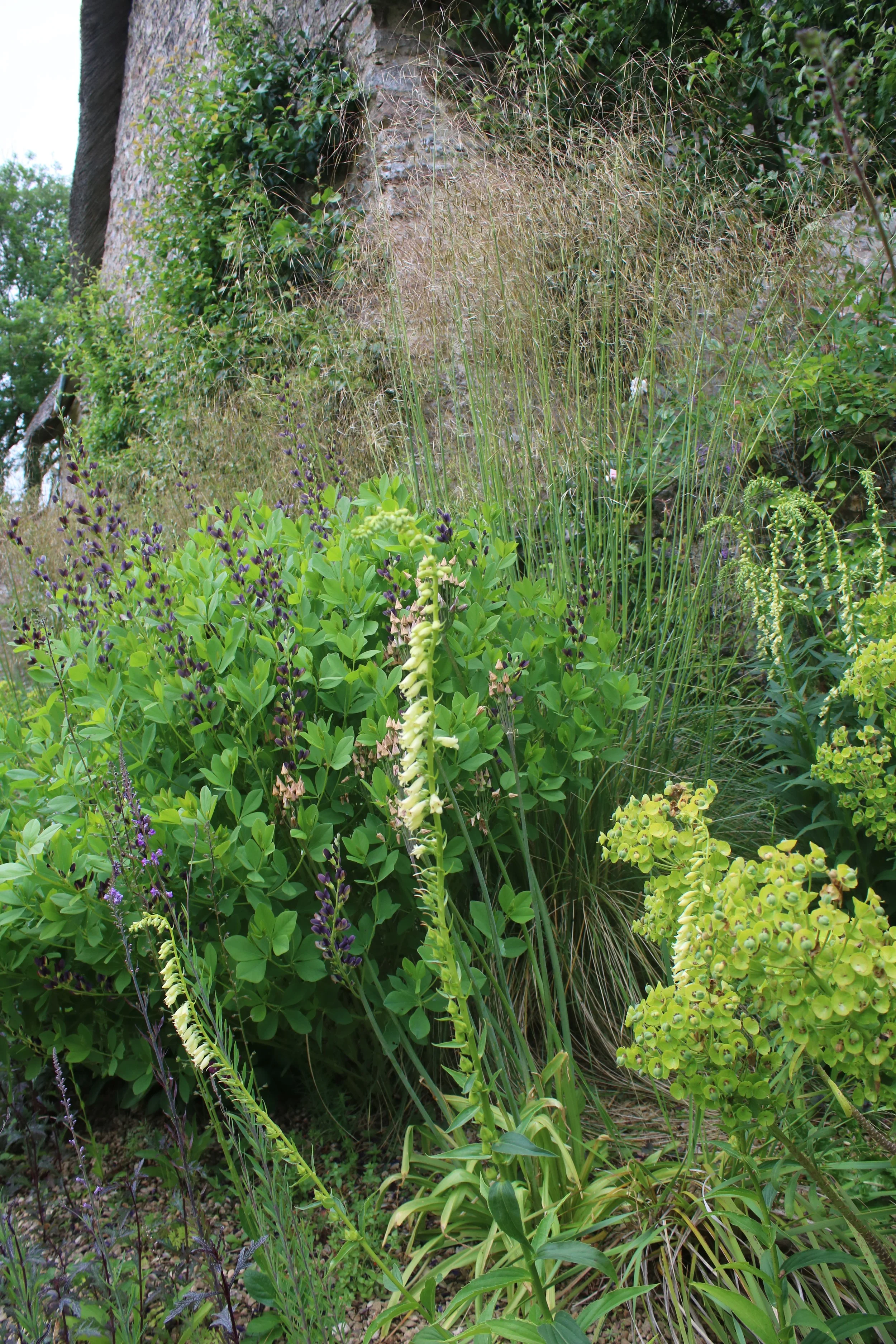
The knot garden captures this beautifully. Its clipped framework is crisp and deliberate, yet the planting softens every edge. Self-seeders drift through the geometry, gently blurring the lines without ever losing the strength of the design. There's structure, but never stiffness.
Standing above it, I realised I was happier simply observing than walking through it. The knot garden isn't designed to be wandered through. It's designed to be viewed as a composition. In that sense, it feels less like a historical feature and more like a piece of living sculpture. Confident enough to sit alongside a centuries-old farmhouse without imitating the past, yet timeless enough to feel as though it has always belonged.
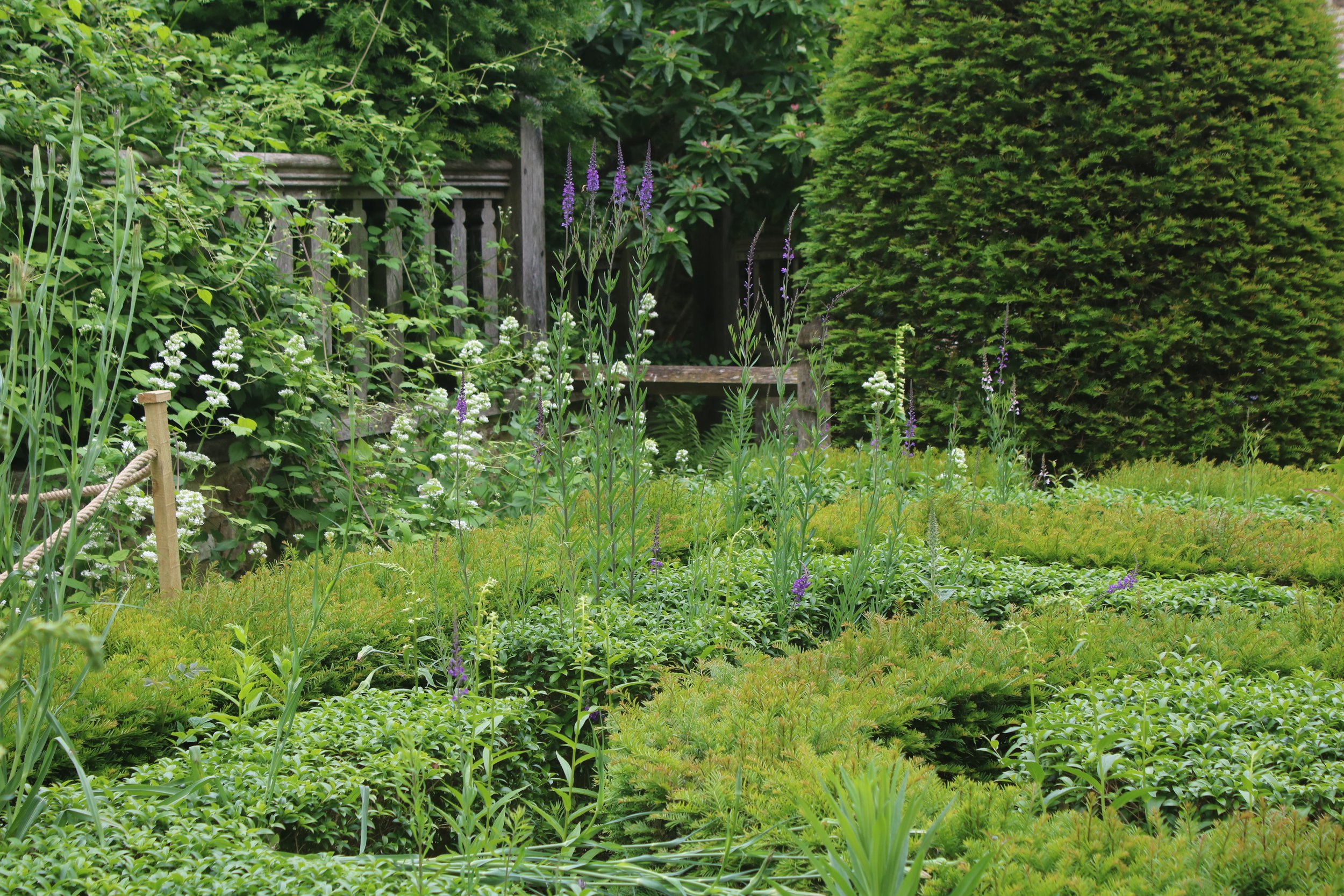
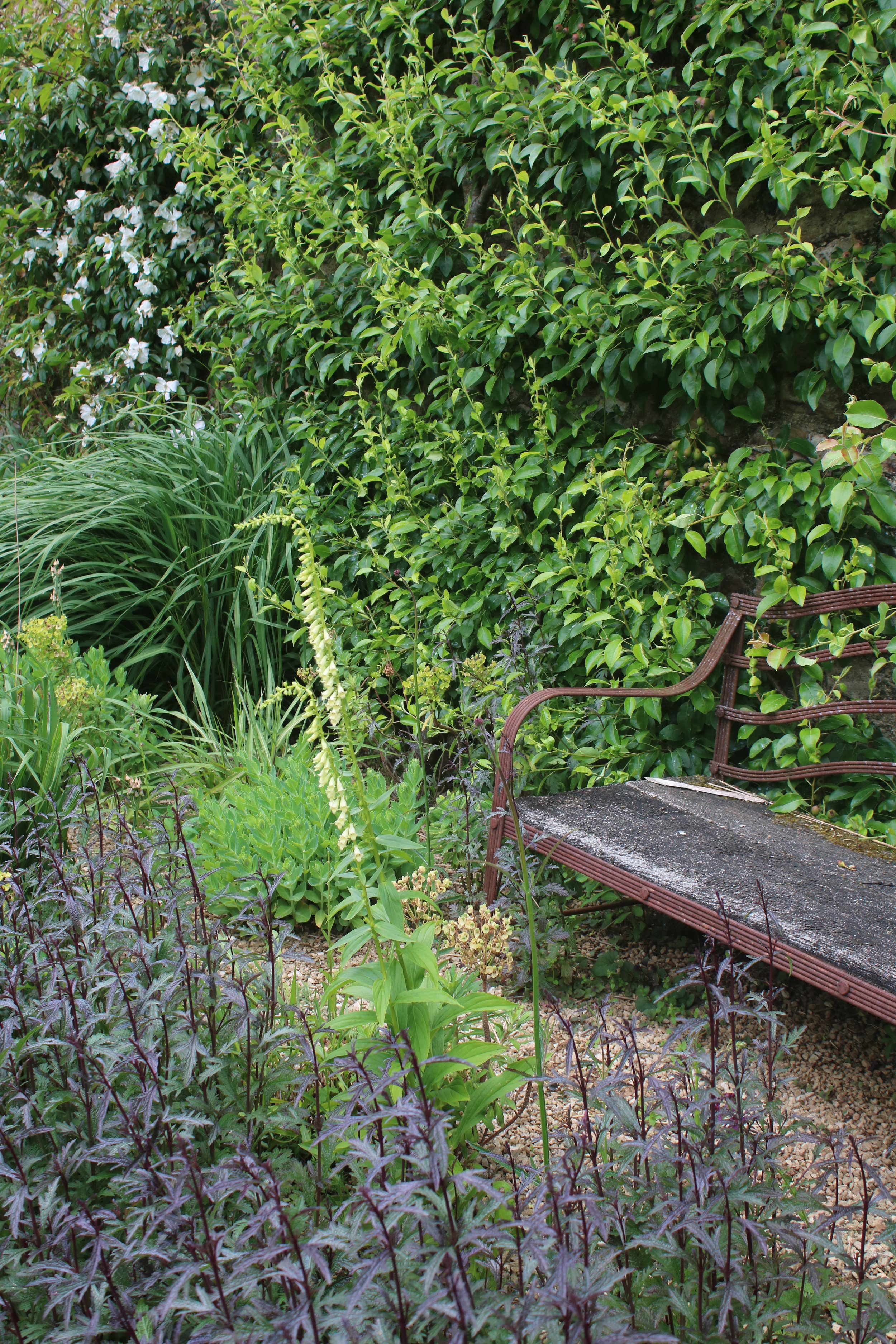
A living wall, a wildlife haven, leading you to explore more of the garden
Repetition Without Repetition
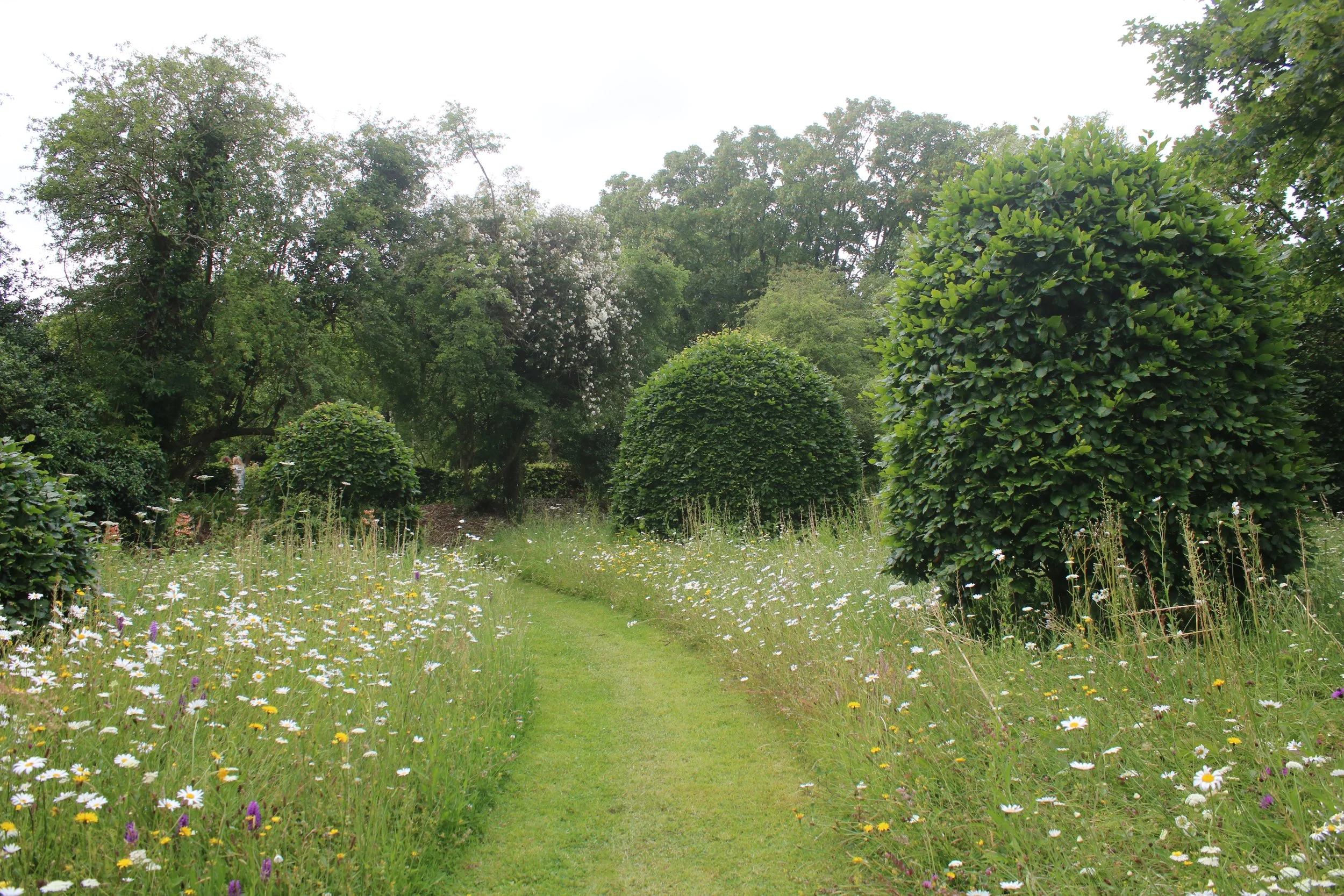
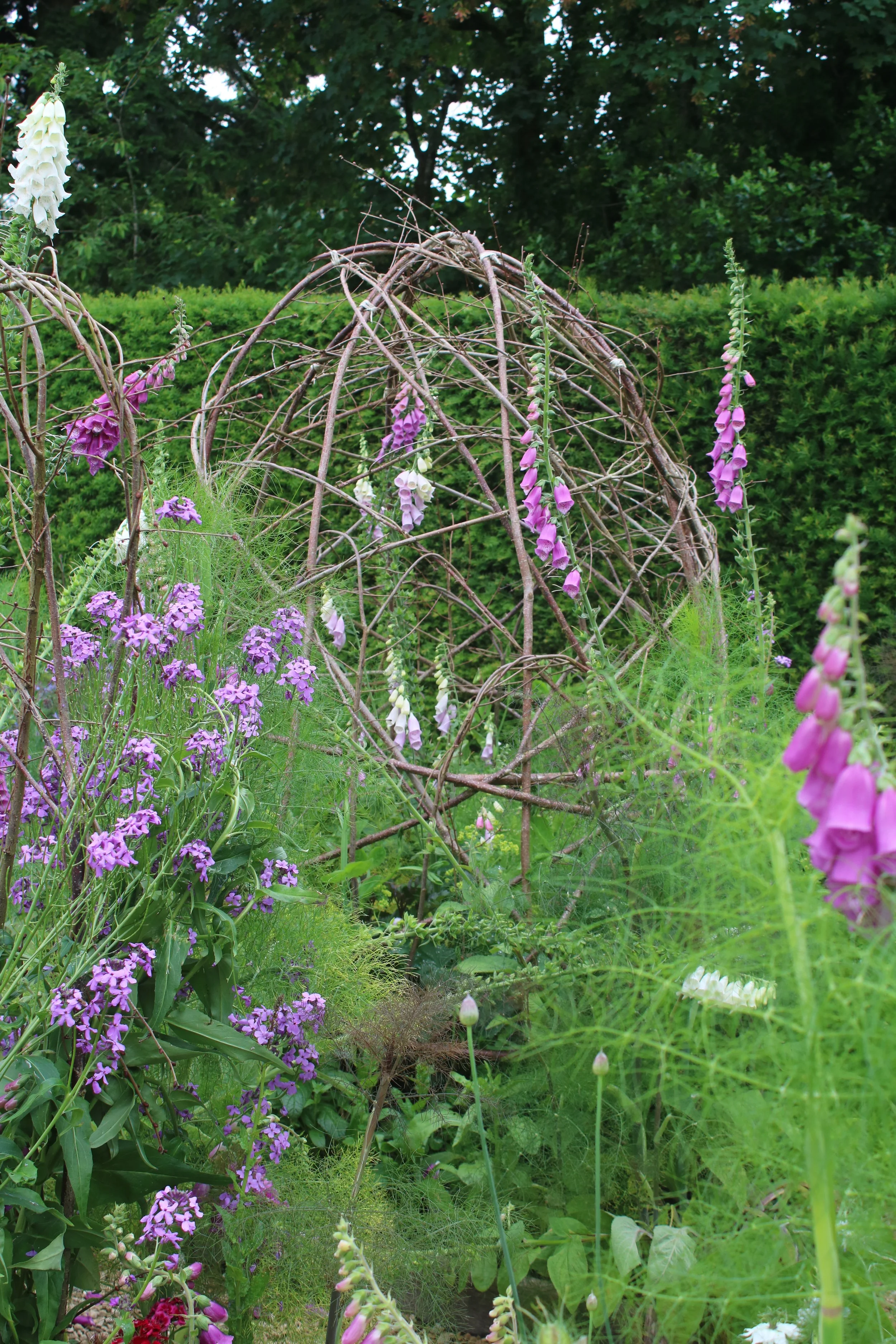
As I continued to wander through the garden, I started noticing subtle threads connecting one space to another. Beehive forms appeared repeatedly. Clipped beech topiary echoed rounded forms found elsewhere in the garden. In the kitchen garden, hazel supports rose only just above self-seeded foxgloves, creating another variation on the same shape.
Nothing felt forced. Nothing felt repetitive. Instead, there was a subtle rhythm that tied everything together.
This is something Arne Maynard and Head Gardener Lewis O’Brien do incredibly well. The details feel effortless, yet you know every relationship has been considered.
Lewis adds -“The hazel plant supports feature extensively through the garden, from the smallest potted bulb display, through to shrub roses, on trained fruit trees, up to the towering sweet pea domes.
They stand for a full twelve months, long after plant displays have finished, and they continue to tell the years story of natural craft, growth and production. It’s use even supporting the ancient industry of woodland coppicing, avaluable, all to often lost skill and habitat.”
So What Gives a Garden Soul?
Walking back towards the car, I found myself reflecting on why this garden resonates with me so deeply. What is it about South Wood Farm that lingers long after you've left?
It isn't simply the scale, although five acres certainly gives the garden room to breathe. Nor is it the planting alone, impressive as it is. The craftsmanship is exceptional too, but that doesn't quite explain it either.
What South Wood Farm understands, perhaps better than many gardens, is the art of unfolding. Nothing is rushed. Nothing is revealed all at once. The garden rewards patience and curiosity, encouraging you to slow down and pay attention. One space leads naturally to another, each with its own atmosphere, rhythm and sense of discovery.
Lewis - ‘Visitors often ask me what my favourite part is, after five years here I now answer, that it’s how it works as a whole, seasonal highlights in areas yes, but its the overall cohesion and intimacy I enjoy and endlessly try to improve everything within.”
The longer I spent there, the more I realised that the garden wasn't asking to be admired from a distance. It was inviting me to participate. To wander. To notice. To look a little closer.
For me, that is where the soul lives in a garden. Not in a particular style, nor a carefully curated planting palette, but in the feeling that a place could exist nowhere else. A garden that feels entirely comfortable in its surroundings, shaped by its landscape, its history and the people who care for it.
South Wood Farm achieves that beautifully. Long after the details begin to fade, the feeling remains.